
Hapag-Lloyd Buys ZIM Integrated Shipping Services for $4.2B

Reuters, the Jerusalem Post, and Market Watch contributed to this report.
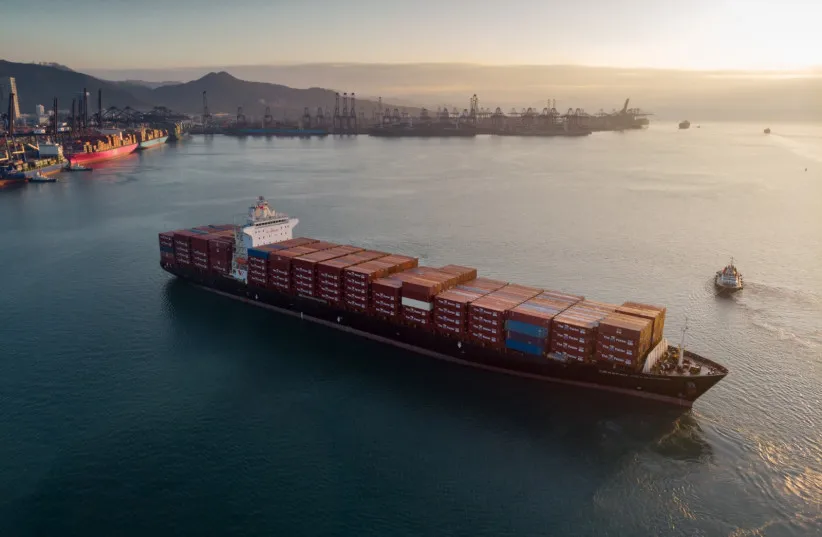
Germany’s Hapag-Lloyd has agreed to pay $4.2 billion in cash for Israel’s ZIM, a deal that sent ZIM shares rocketing while knocking Hapag-Lloyd’s stock lower and sparking a walkout at ZIM’s Haifa headquarters.
ZIM stock jumped 28.8% after the tie-up was confirmed on Monday. Hapag-Lloyd shares, meanwhile, slid about 8% as investors digested the price tag and financing plan — the buyer said it will use cash on hand plus up to $2.5 billion of external financing. The German line says the deal would cement its spot as the world’s fifth-largest carrier, with a combined fleet of more than 400 vessels.
As part of the split deal, Israeli private equity fund FIMI Opportunity Funds will carve out 16 Israeli-flagged ships into a new locally run unit, with a “golden share” transferring to that outfit to preserve specific Israeli ownership rights. That move appears designed to ease political worries about a full foreign takeover.
Still, pushback is already brewing. Staff at ZIM’s Haifa office staged a strike on Sunday over the sale, company management said, and talks are ongoing with the union to try to head off escalation. Local politicians have also reacted angrily — Yona Yahav warned the deal strips a strategic national asset from Israeli hands and could put jobs at risk.
Analysts say the transaction gives Hapag-Lloyd a quick capacity boost without waiting years for newbuilds. JPMorgan’s analysts noted the combined group would lift Hapag-Lloyd’s global share from roughly 7% to just under 9%, a tidy gain in market clout. ZIM’s board agreed to the $4.2 billion price, a roughly 126% premium to the stock’s level before takeover chatter surfaced last August.
Behind the headlines: ZIM runs services to about 300 ports in over 90 countries, so the acquisition instantly widens Hapag-Lloyd’s network. But the optics — a foreign buyer plus a carve-out of Israel-flagged tonnage — have made the deal politically sensitive, and the labor unrest shows that the practical work of integrating fleets and staff won’t be painless.
Bottom line: it’s a big consolidation move in a fragmented industry — great for Hapag-Lloyd’s scale, great for ZIM shareholders who cash out at a strong premium, and a headache for workers, local officials and anyone worried about national shipping sovereignty. Expect regulatory and labor talks to be the next headline drivers as the deal moves toward closing.


The latest news in your social feeds
Subscribe to our social media platforms to stay tuned