

Reuters, the Guardian, CBS News, and the Financial Times contributed to this report.
First France. Now Belgium, Luxembourg, Sweden, and Estonia. Hackers have found a new playground: the internet-connected refrigerators and freezers that keep your groceries cold. And they’re not being gentle about it.
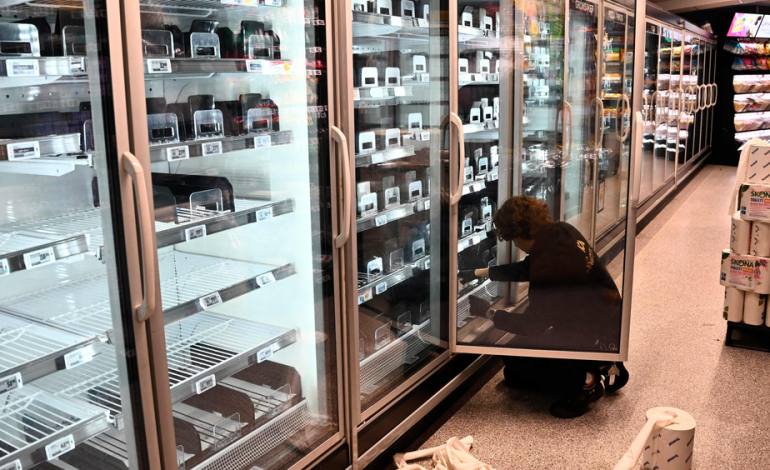
On Monday, Ahold Delhaize and Colruyt reported that an overnight IT incident had sent temperatures soaring in fridges and freezers at dozens of stores in Belgium and Luxembourg. Delhaize spokesperson Sarah De Meester said the chain noticed temperature increases and is investigating. Stephan Moelans, CEO of Belgian refrigeration company Sabcobel, which operates Delhaize’s systems, told Belga news agency it was a cyberattack – the units’ evaporators were switched to defrost mode.
“We started mobilizing technicians at 1 a.m.,” he said. “We spent all night and morning disconnecting the affected installations from the grid.”
Colruyt, which operates Spar stores in Belgium, said five shops had their fridge systems attacked. In Sweden, ICA and Coop reported similar temperature spikes. One ICA store in Sjöbo posted on Facebook that its fridges and freezers had “been hacked and they set the temperature at 50 degrees” Celsius – that’s 122 Fahrenheit. Another ICA store in Stockholm put up a notice saying all its freezers were broken due to a cyberattack. Coop told Aftonbladet that six of its stores were affected and had to throw out food. An Estonian supermarket chain was also hit, with temperatures set to 50 degrees, according to tech supplier Kitman Coldtech.
The timing is uncomfortable. Less than three weeks ago, hackers seized control of cooling units at up to 700 supermarkets in France. Temperatures went from as low as -27°C to well over 50°C. Stores had to discard vast quantities of meat, dairy, and frozen goods. Losses ranged from tens of thousands of euros to more than €130,000. Two stores in Alsace reported a combined loss of €270,000. The Paris prosecutor’s office opened a formal investigation, citing “food losses and fires.” French Prime Minister Sébastien Lecornu ordered the national cybersecurity agency, ANSSI, to investigate.
No one has claimed responsibility for any of these attacks. Authorities haven’t said who might be behind them. But the pattern is hard to ignore. Most supermarket cold aisles are connected to the internet for remote maintenance and failure alerts. That convenience comes with a price. In the French attack, hackers targeted controllers mostly supplied by Danish company Danfoss. They disabled alarm systems before adjusting thermostats or extending defrost programs by hours. Danfoss said it had identified security flaws last year and had “long recommended” customers install updates.
Sweden’s national cybersecurity centre is now investigating. Its head, John Billow, told Reuters the agency has “identified that we have quite a lot of exposed operational technology devices in Sweden that we have been clear about the necessity to update or patch.” Moelans of Sabcobel said many units would require physical modifications.
“That requires investment,” he said.
The incidents are raising alarm bells about food security. After the French attack, EU food and agriculture commissioner Christophe Hansen posted on X that “food security requires more attention at all levels,” calling the exploitation of vulnerabilities in essential networked systems a new “reality.” Dominique Schelcher, CEO of Coopérative U, called the targeting of equipment essential to preserving fresh products “unprecedented” and “extremely serious.”


The latest news in your social feeds
Subscribe to our social media platforms to stay tuned