

CNBC, the Wall Street Journal, and Investor’s Business Daily contributed to this report.
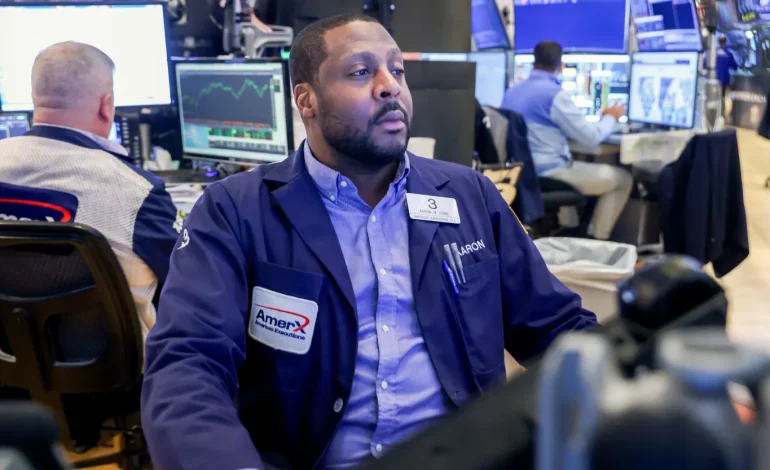
The Nasdaq Composite climbed 0.8% Tuesday, clawing back some recent losses as investors tiptoed back into tech. The Nasdaq-100 added 0.6% but remains in correction territory, down more than 10% from its recent high. The S&P 500 gained 0.3%, while the Dow Jones Industrial Average dropped 264 points, or 0.5%, weighed down by Apple.
Apple slid 2% after the consumer tech giant issued a disappointing margin forecast and reported iPad sales that missed Wall Street’s estimates for the fiscal fourth quarter. The drag was enough to keep the blue-chip index in the red even as chipmakers rallied. Advanced Micro Devices jumped 4%, Broadcom rose more than 3%, and Micron Technology, Nvidia, and Intel each gained nearly 3%.
Oil prices turned lower on speculation that US-Iran negotiations were making progress. Brent crude fell almost 1% to around $104 a barrel, while West Texas Intermediate futures were little changed near $96. Softer crude helped ease some inflation jitters, though the mood remained cautious.
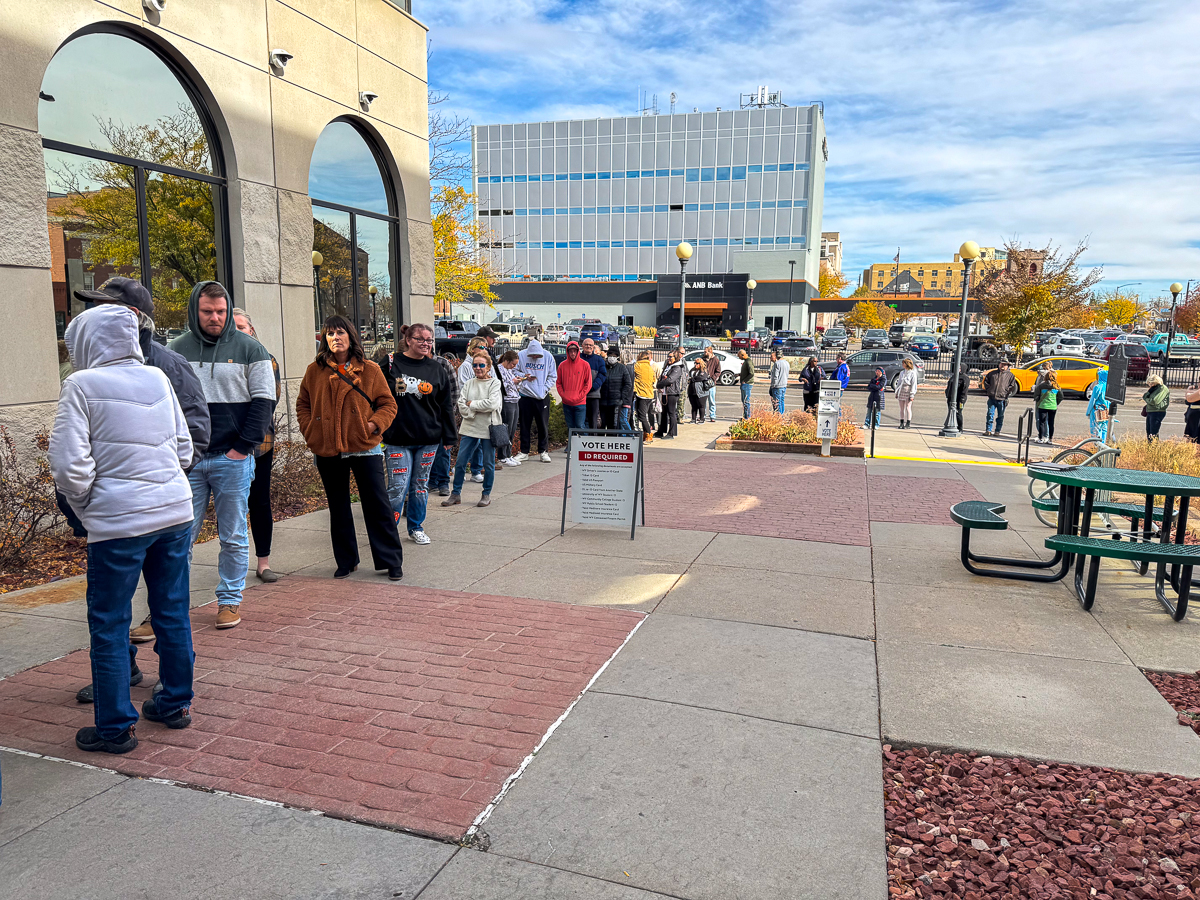
All eyes are on the midterm elections. Prediction markets see a nearly 75% likelihood that Democrats take the Senate, and a Democratic sweep of both chambers could weigh on the broader market Wednesday – especially AI stocks, since investors haven’t firmly positioned for that outcome. If Republicans hold the Senate or both chambers, the market could see short-term gains. Even with President Trump in the White House, a Democratic victory in either chamber would shape investigations and oversight in Washington, which matters for defense, AI, and healthcare.
“There’s some anxiousness before these elections,” Ryan Detrick, chief market strategist at Carson Group, told CNBC. “Once you are through it, it’s a big relief and markets tend to do pretty well.”
BMO’s Ian Lyngen noted that “the better the Democrats perform, the more nervous the market is likely to become regarding AI regulations.” He expects gridlock, which usually limits big policy changes but can still produce smaller compromises. Rob Rains of Washington Analysis said Democratic success at the state and local level may hinder data center buildouts, but at the federal level it could actually boost efforts to protect industry from Chinese competitors – putting the White House in a tricky spot.


The latest news in your social feeds
Subscribe to our social media platforms to stay tuned