
Oil Just Crashed 6% and Stocks Took Off – Now Comes the Hard Part

CNBC, Bloomberg, Market Watch, Investor’s Business Daily, and AP contributed to this report.
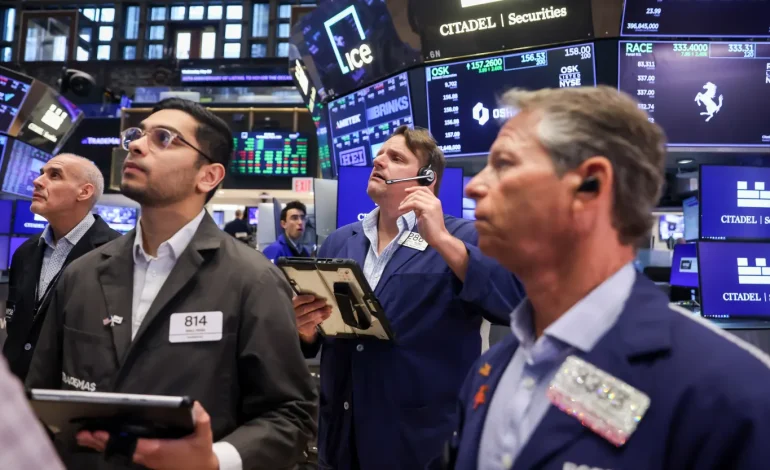
Wall Street started November with a big exhale. Oil prices fell off a cliff, tech stocks bounced back, and the major indexes all moved higher. The S&P 500 gained 1%. The Nasdaq Composite rose 1.3%. The Dow Jones Industrial Average added 574 points, or 1.1%. Not a bad way to shake off a rough October.
The real story was crude. Brent crude tumbled more than 6% to around $105 a barrel. West Texas Intermediate dropped more than 6% to roughly $97. The trigger? Hopes that the US and Iran might actually talk peace. Secretary of State Marco Rubio said over the weekend that President Trump “hasn’t made a decision” to attack Iran and that Washington would prefer to resolve the conflict “peacefully.” Iranian state media reported that the country’s foreign minister said an agreement is possible if the US “demonstrates goodwill.” That’s a long way from a deal, but markets will take what they can get.
Tech got a lift too. Marvell Technology announced it’s buying Lumentum in a $115 billion deal – one of the biggest AI data center bets of the year. The move signaled continued bullishness in artificial intelligence, even after weeks of hand-wringing over spending and returns. Nvidia climbed nearly 2%. Amazon gained more than 4%. Alphabet rose more than 2%.
But enthusiasm was kept in check. Oracle said it plans to sell $10 billion in common stock and another $10 billion in bonds to finance its AI buildout. Shares fell more than 5%. That’s the tension in a nutshell: investors want AI growth, but they’re increasingly wary of how it’s being funded.
The backdrop matters. Last week, the major benchmarks suffered a losing week, weighed down by tech selling as investors scrutinized AI-related names. The Nasdaq and S&P 500 logged a losing October, with the tech-heavy index suffering its worst losses since March 2025. The Dow, however, rose almost 2% as money rotated into defensive areas like healthcare.
“The stock market’s longer-term bullish narrative may have taken some hits in recent weeks, but it’s still intact,” said Chris Larkin, managing director of trading and investing at E-Trade. “The challenge has been short-term momentum – stringing together more than a few days without being disrupted by surging oil prices, concerns about AI spending, inflation, or geopolitics.”
He added that the market has more “volatility triggers” ahead, including the midterms and jobs data, “but its ability to bend but not break under pressure has been a positive sign.”
Speaking of triggers: the US midterm elections are Tuesday. Democrats are expected to take control of the House, while Senate control remains uncertain. Investors are watching closely for any signs of how the results might reshape policy on defense, healthcare, crypto, and AI. Apple reports earnings after the bell Monday. McDonald’s and Qualcomm are up later in the week. And the monthly jobs report is due Friday.
On the economic front, US factory activity accelerated in October. The ISM manufacturing index rose to 55.5, beating the 54.5 consensus estimate. Production ramped up, order backlogs declined, and inventories swelled. A decent data point in a week full of them.
Other movers: CrowdStrike rose 3.4% after Deutsche Bank upgraded the stock to buy, citing AI’s expansion of the cybersecurity market. Rivian climbed 3.8% on a UBS upgrade. Amazon got a buy rating from PhillipCapital, which argued its aggressive AI spending will pay off long-term. And French train maker Alstom plunged more than 30% after slashing its full-year guidance and warning of a €1.5 billion cash burn.



The latest news in your social feeds
Subscribe to our social media platforms to stay tuned