
Dockworkers: Their Roles and the Impact of Automation on the Industry
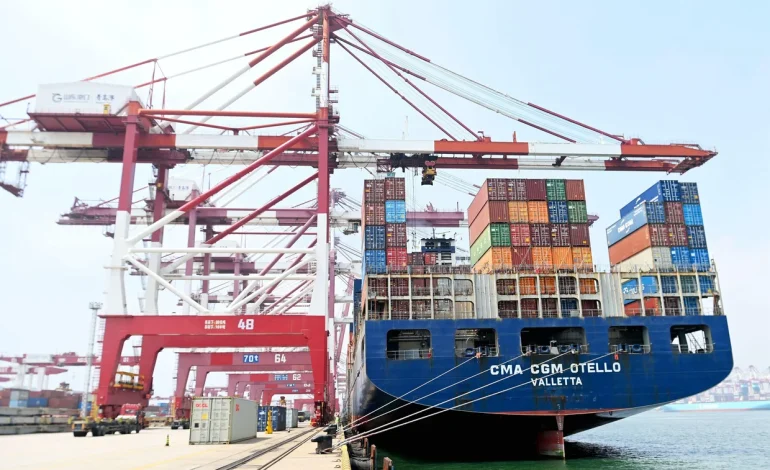

The original story can be found at CBS News.
The recent three-day dockworker strike that disrupted East and Gulf Coast ports has highlighted the crucial role dockworkers play in the US economy. This vital workforce is responsible for loading and unloading billions of products, from food to vehicles, that keep the nation’s economy running smoothly.
While the strike has ended, the underlying labor dispute underscores how advancements in automation, artificial intelligence, and other technologies are reshaping operations within America’s supply chains and various industries. Despite the advancement of automation, industry experts like Chris Tang emphasize that human workers remain integral to port operations.
“Machines, I think, can do the job as well, but people are faster,” Gourdin said.
As automation technology continues to reshape the dockworker landscape, the demand for balancing worker rights with technological evolution remains critical. Some experts advocate for reducing the labor force in US ports by 50% within the next decade, arguing that this could lead to increased wages for remaining workers and lower shipping costs for consumers.
However, this vision contrasts sharply with the dockworkers’ union’s objectives, which include a strong stance against the adoption of automation. The ILA’s demands for “absolute, airtight language” prohibiting automation at East and Gulf Coast ports highlights the union’s commitment to preserving jobs in the face of technological advancements.


The latest news in your social feeds
Subscribe to our social media platforms to stay tuned