
Pack Llamas and the First Amendment: Wyoming Guide Sues Feds Over YouTube Filming Ban

The original story by Clair McFarland for Cowboy State Daily.
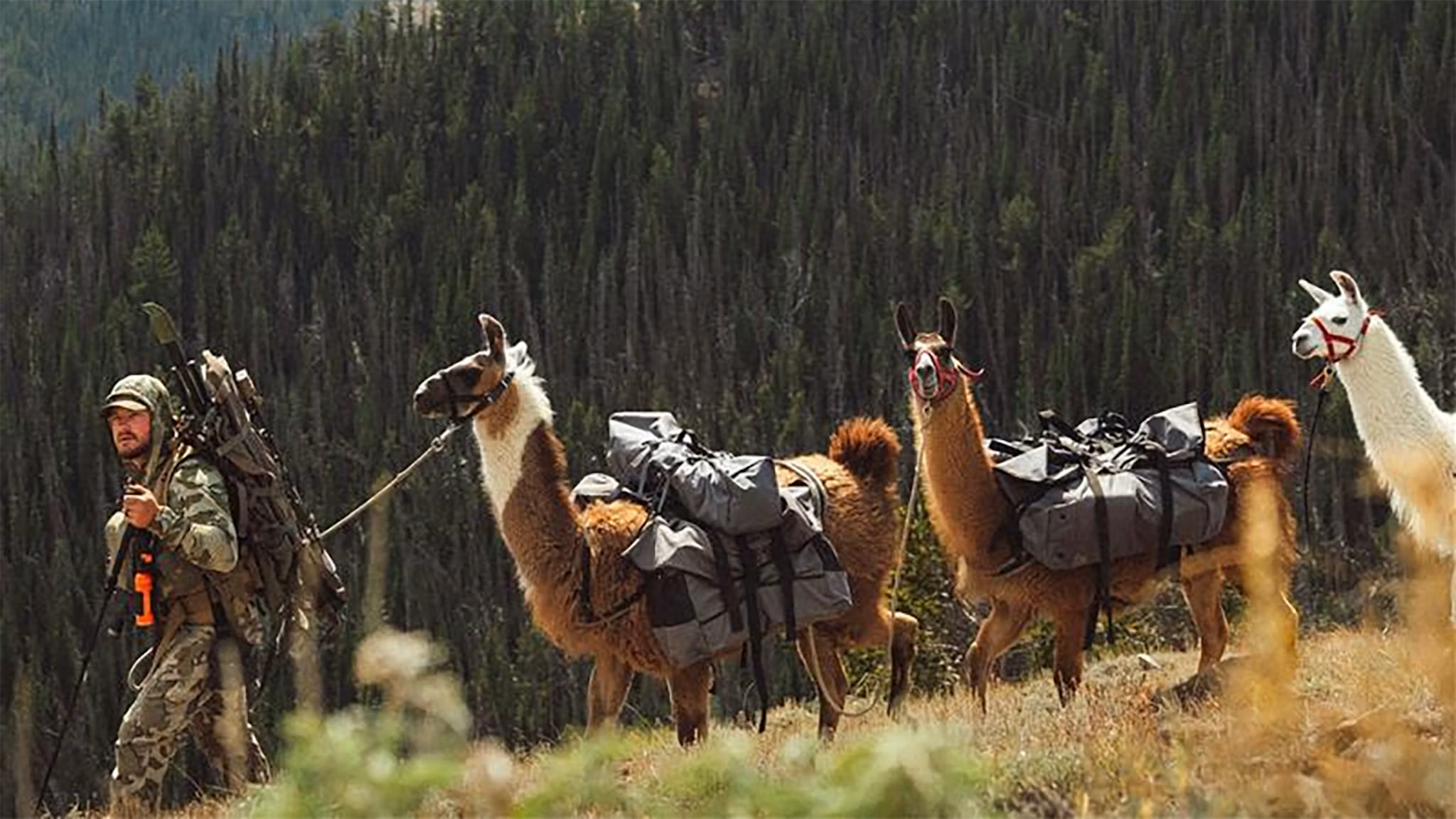
Joshua Smunk rents pack llamas for wilderness treks in Wyoming. He did not expect the federal government to treat his animals like illegal Hollywood props. Now, he is suing the US Forest Service. The bizarre dispute centers on a seemingly mundane act: his llamas appearing in the background of a YouTube video shot in the Shoshone National Forest.
Filed Wednesday in the US District Court for Wyoming, the civil challenge names Shoshone National Forest Supervisor Kenneth Coffin, wilderness manager William Frost, and the Forest Service itself. Smunk, CEO of Clark-based Hooves, Horns & Hideaways, teamed up with the wilderness conservation group BlueRibbon Coalition. Together, they argue federal officials are wildly misinterpreting the Wilderness Act of 1964 to police everyday people with smartphones.
The trouble started after a September 2025 elk hunt. Smunk supplied three of the eight llamas on the two-week expedition. A fellow traveler recorded the trip, capturing nighttime encounters with grizzlies, black bears, and wolves, before publishing the footage as an episode of the PEAX Thrive Vodcast. The video eventually landed on YouTube and other social channels.
By March 2026, the situation escalated. Forest Service officials summoned Smunk for a meeting regarding his guiding permit. Instead of discussing paperwork, manager William Frost accused him of violating federal law. The reasoning? The YouTube video was monetized, allegedly making the llama a “prop” in an illegal commercial advertisement. Smunk didn’t even post or monetize the clip himself.
The Wilderness Act strictly bars “commercial enterprise” in protected areas, carrying penalties of up to a year in jail and $100,000 in fines. But the plaintiffs’ legal team, including attorneys from the Texas Policy Foundation, insists Congress never designed this 1964 law to suppress core First Amendment expression. The original legislative goal was to regulate massive film crews, not a guy holding a handheld camera on a hunting trip.
Email exchanges reveal a startling enforcement strategy. When Smunk asked if simply posting to a platform capable of monetization triggered a violation, Frost advised him to stick to still photos. The complaint alleges Frost explicitly stated the Forest Service actively surveils social media to hunt down these infractions.
“As people post these types of ‘commercial’ filming products, and we find them, we do go after them,” Frost reportedly wrote.
This chilling effect extends far beyond Smunk’s business. The BlueRibbon Coalition relies on smartphone-shot videos to educate viewers and fund its conservation work. Under the Forest Service’s current interpretation, any organization generating revenue from wilderness footage risks federal prosecution.
Smunk now faces the constant threat of fines, imprisonment, or banishment from public lands if an algorithm flags a video referencing his business. Neither Frost nor Coffin responded to requests for comment. For now, the fate of wilderness vlogging rests in the hands of a federal judge.

The latest news in your social feeds
Subscribe to our social media platforms to stay tuned