
Haiti Faces Catastrophic Hunger Amidst Gang Violence: 48% Experiencing Acute Food Shortages

With input from AlJazeera and OCHA.
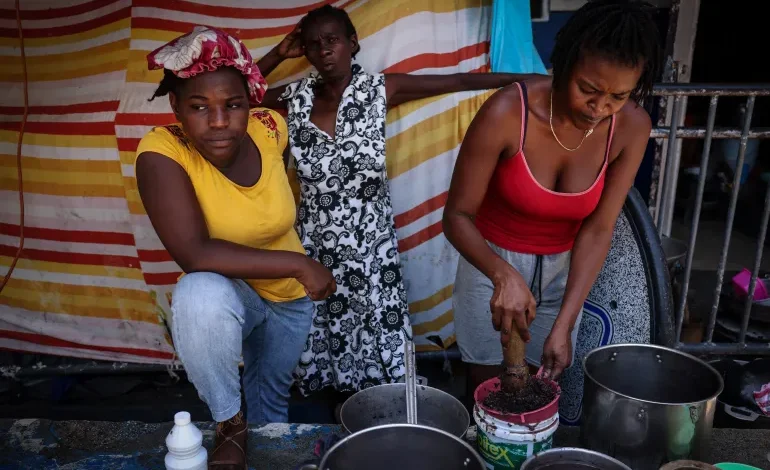
Haiti’s hunger crisis is getting worse, and the numbers are brutal. A new report from the Integrated Food Security Phase Classification says 5.41 million people are facing high levels of acute food insecurity between August 2024 and February 2025. That’s almost 48% of the population. Of those, 6,000 people are in catastrophic conditions – the most severe phase.
The report doesn’t mince words. Armed gang violence is disrupting daily life, forcing people from their homes, and pushing acute food insecurity higher. Gangs now control about 80% of Port-au-Prince and key roads leading to northern and southern Haiti. That makes it painfully hard to move food, medicine, and humanitarian aid. Farmers can’t sell their produce. Families can’t reach markets. And food now eats up as much as 70% of household expenses.
The violence is relentless. The UN says at least 3,661 people were killed in Haiti in the first half of this year. More than 700,000 people have been left homeless over the past few years. Clashes in Gressier, Ganthier, and Port-au-Prince have made supplying the regions even harder. After relative stability in the second quarter of 2024, violence spiked sharply in the third quarter. The report expects that trend to continue, affecting supply chains and displacing more people.
There are other pressures, too. Haiti is still dealing with the residual effects of climate shocks like Hurricane Matthew in 2016 and the 2021 earthquake. Periodic droughts have hurt harvests. The economy is heading toward a fifth consecutive year of depression, with negative growth in 2024. Inflation remains high. For many families, survival is a daily scramble.
The report lays out the scale clearly. About 2 million people are in Phase 4 – Emergency – facing critical levels of acute food insecurity. Another 3.4 million are in Phase 3 – Crisis. Compared with the same period a year earlier, the number of people in Phase 3 or worse has risen by 4%, or 1.2 million people. Fifteen of the 35 areas analyzed are now classified in Phase 4, including parts of Artibonite, Grand’Anse, Nippes, Nord-Ouest, Sud, Sud-Est, and poor neighborhoods in Cité Soleil, Croix des Bouquets, Delmas, and Port-au-Prince, as well as displacement sites in the capital area.
A UN-backed mission led by Kenya began in late June and has managed to free some communities from gang control. That’s a start. But officials warn that major challenges remain. Humanitarian food assistance isn’t expected to meet the population’s needs. The report projects that between March and June 2025, nearly 2 million people will be in Phase 4 and 3.5 million in Phase 3. In short, 49% of the population will need urgent action.

The latest news in your social feeds
Subscribe to our social media platforms to stay tuned