
Argentina’s Congress Fails to Overturn Veto on University Funding, Emboldening Libertarian President

With input from AlJazeera and Reuters.
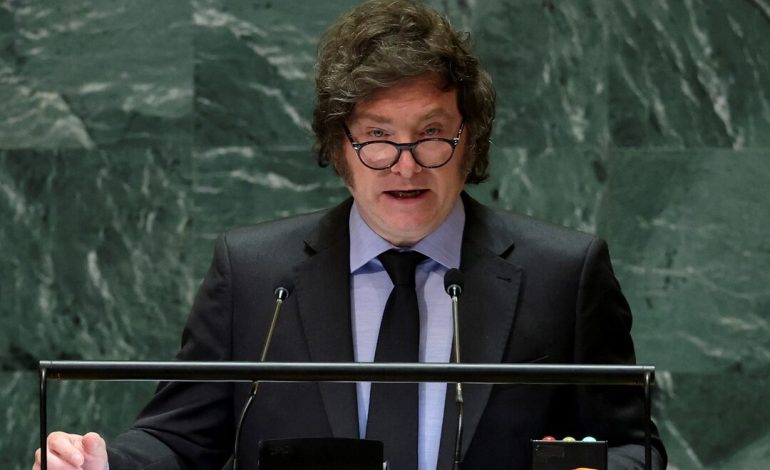
Javier Milei just won a round. Argentina’s lower house of Congress failed Wednesday to override his veto of a bill that would have boosted public university funding to keep pace with inflation. The vote was 160 in favor, 84 against, with 5 abstentions – six short of the two-thirds majority needed. The bill is dead.
The stakes were high. Argentina’s annual inflation is hovering near 240%, one of the highest rates in the world. More than half the population lives in poverty. And public universities – which are free to all – have been hit hard by Milei’s austerity drive. University salaries have lost about 40% of their purchasing power. That’s why thousands of students and professors have been protesting for months.
Milei, a self-proclaimed anarcho-capitalist, isn’t apologizing. He called the funding bill “unjustified” and argued it would wreck the fiscal balance he’s been fighting to achieve. His party holds only a small minority in Congress, but it’s formed alliances with conservative lawmakers to block the opposition from reaching the two-thirds threshold.
“What we saw today was a power struggle,” said Alejandro Finocchiaro, a lawmaker from the conservative PRO party. “If the presidential veto did not pass, it would have been a very bad sign for markets.”
Translation: the markets are watching, and Milei’s austerity is the price of stability.
The protests haven’t stopped. Earlier this month, thousands rallied outside Congress in Buenos Aires, holding signs like “How can we have freedom without education?” Ana Hoqui, a psychology graduate, told AFP she showed up to defend the system that allowed her to pursue a career in medicine.
“I could never have trained without the free public university system,” she said. “That’s why I came to defend it because I feel it’s in danger.”
In April, hundreds of thousands took to the streets across the country – labor unions, opposition parties, private universities. A teachers union claimed a million protesters nationwide.
The politics are messy. Milei’s cuts to health, pensions, and education are the most visible face of his economic shock therapy. Inflation has started to slow, but the country is in a deep recession. Poverty has surged past 50%. Opposition lawmakers aren’t giving up.
“The right to public education defines our nation,” said Facundo Manes of the center-left UCR party during the debate. “Education is the best economic policy of the 21st century, which is why we will not give up defending it.”

The latest news in your social feeds
Subscribe to our social media platforms to stay tuned