
Ukraine Approves Tax Hikes to Fund War Effort

With input from The New York Times and the Kyiv Independent.
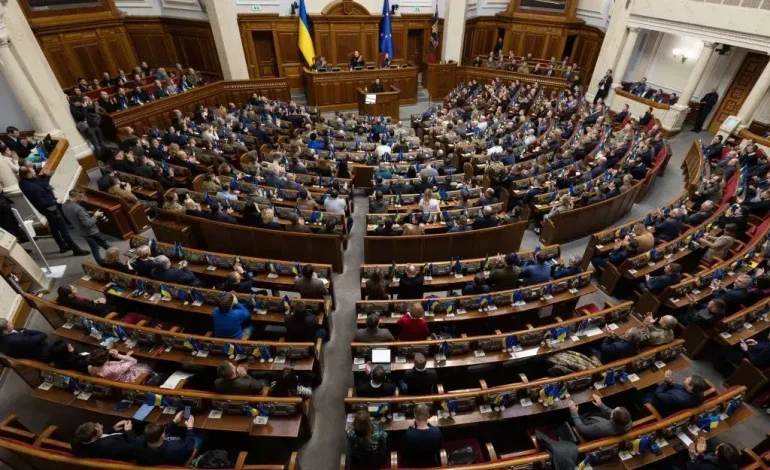
Ukraine just made a tough call. On Thursday, Parliament approved the biggest tax hike since Russia’s full-scale invasion began more than two years ago. It’s a politically painful move designed to keep the army funded as the war grinds on. And the people paying for it aren’t thrilled.
Here’s what changed. The personal income tax that funds military expenditures jumped from 1.5% to 5%. Bank profits will be taxed at 50% for this year – retroactively – up from the current rate. Other financial institutions will see their profit tax rise to 25% from 18%. The bill is expected to raise an additional $2.8 billion next year, about 14% more than in 2024, according to the Kyiv School of Economics. That money will help fund a $12 billion military spending increase.
Yaroslav Zhelezniak, deputy chairman of the parliamentary finance committee, called it a “historic tax increase.” His colleague Oleksii Movchan, a member of President Volodymyr Zelensky’s party, was blunter:
“We will be hated, but we don’t have any other option. It’s about our survival in this war.”
He noted that military spending accounts for more than half of the state’s $100 billion annual budget. Ukraine gets weapons and financial support from allies, but it has to cover soldiers’ salaries and domestic arms production from its own revenues.
Until now, the government tried to shield civilians from the financial burden. Many Ukrainians have already lost homes, jobs, and economic stability. The country has a flat 18% personal income tax rate. Officials tried selling off state assets and restructuring debt with international creditors. But with fighting dragging into a third year, they warned this summer that tax hikes were unavoidable.
“Whatever revenue you bring that is generated domestically, through taxes, through businesses – it all goes to the army,” deputy economy minister Oleksii Sobolev said in June.
The timing is rough. Ukrainian troops are losing ground in the east. Western military and financial backing is at risk of declining due to war fatigue. Zelensky spent Thursday touring European capitals – London, then Paris, with Rome and Berlin on Friday – pressing allies for more support and pitching his “Victory Plan” to force Russia to the negotiating table. He also had to deal with the postponement of a major meeting after President Biden withdrew because of a hurricane.
Back home, the mood is grim.
“We’ve all been struggling financially for a long time, and now we’ll lose even more of our salaries and income,” said Lola Kuzmina, 47, who works in a shoe store in Kyiv.
She said everyone around her is talking about the tax hike.
“There’s a lot of concern and dissatisfaction.” Anna Paskal, a 44-year-old accountant, disagreed, saying the increase is “not critically high” and will help the military.
But even supporters share a fear: that the money won’t reach the army. Ukraine has a long history of corruption, and recent arrests of officials accused of hoarding millions in cash have intensified concerns.
“I believe that this money won’t go where it’s supposed to,” said Olha Poliakova, a 46-year-old barista.
Opposition lawmakers echoed those worries during the overnight debate. Solomiia Bobrovska, a member of the defense and intelligence committee, said:
“There is no trust that the state will properly use the money. It’s been more than two years of war. If the state had used funds properly, we wouldn’t need volunteers to raise money for our army.”
The bill passed anyway.


The latest news in your social feeds
Subscribe to our social media platforms to stay tuned