
Spirit Airlines Files for Bankruptcy After Setbacks, Struggles with Debt and Competition

CNBC, the New York Times, and Reuters contributed to this report.
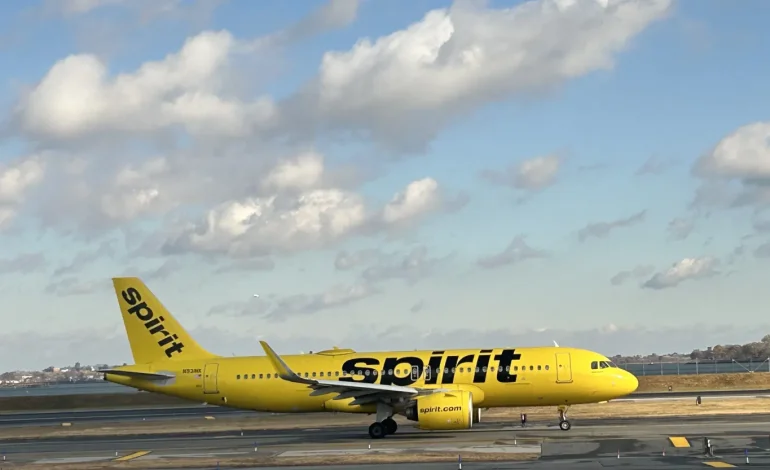
Spirit Airlines is broke. Or at least, it’s broke enough to need Chapter 11 protection. The Florida-based carrier filed for bankruptcy Monday after a brutal stretch of losses, a failed merger, engine recalls, and a domestic market flooded with seats. It’s the first major US airline to file for bankruptcy since American Airlines 13 years ago. And it’s a stunning fall for a company that once made budget travel feel like a revolution – or at least a punchline.
The good news for travelers: your tickets still work. CEO Ted Christie wrote a letter to customers saying they can “continue to book and fly now and in the future.” Loyalty points are still good. Vendors and aircraft lessors won’t be impaired. Spirit has a prearranged deal with bondholders that includes $300 million in debtor-in-possession financing. It expects to exit bankruptcy in the first quarter of next year. The airline says it will keep operating as normal through the process.
But make no mistake – this is a major restructuring. Spirit listed assets and liabilities between $1 billion and $10 billion. Its stock will be delisted from the New York Stock Exchange. Existing equity will be wiped out. Bondholders will swap $795 million of debt for equity and put in $350 million more. The airline hasn’t turned a profit since 2019. It lost more than $335 million in the first half of this year alone. Shares were down more than 90% this year before trading was halted Monday.
How did Spirit get here? A few big things went wrong. First, the JetBlue merger. Spirit had a deal to sell itself to JetBlue for $3.8 billion. A federal judge blocked it in January on antitrust grounds, ruling that losing Spirit would hurt competition and raise fares. That was the lifeline the airline needed. Without it, Spirit had to face its debt deadlines alone. Second, the engines. Spirit flies more than 200 Airbus A320 planes, but a defect with the Pratt & Whitney engines that power some of them means about one in 10 won’t fly this year. Spirit expects 35 planes on the ground to start 2025, rising to about 67. That’s a lot of grounded jets.
Third, the market. Spirit’s business model – rock-bottom fares with fees for everything from seat assignments to carry-on bags – worked for years. It made the airline a favorite target for late-night comics, but it also forced bigger carriers like Delta, American, and United to offer their own basic economy fares. Then the pandemic hit, costs rose, and travel restrictions lifted. Suddenly everyone wanted to fly internationally, and Spirit’s domestic-heavy network didn’t benefit. Fares fell in an oversupplied US market. Spirit’s average fare per passenger dropped nearly 20% in the first half of this year compared with 2023.
Spirit tried to adapt. This summer it started selling bundled fares with seat assignments and other perks. It even introduced a sort of “first-class” option with larger seats at the front. It sold 23 Airbus aircraft to GA Telesis for $519 million. It furloughed pilots – about 200 in September, with another 330 planned for January. It delayed aircraft deliveries. But analysts say it will have to shrink even more in bankruptcy to get costs under control.
The bankruptcy filing is a humbling moment for a company that started as a trucking business in 1964, became a tour operator, and began flying in 1990. Its modern incarnation took shape in 2006 when private equity firm Indigo Partners bought a majority stake. Under CEO Ben Baldanza – who died this month – Spirit went all-in on low costs and bare-bones service. It worked. Travelers flocked to Spirit for cheap fares. The airline made consistent profits. Other carriers copied its approach.
But the post-pandemic world has been brutal for ultra-low-cost carriers. Spirit’s troubles have spurred talk among Wall Street analysts of a flawed business model. The company’s largest union, a chapter of the Association of Flight Attendants, told members to keep working as planned. Spirit has about 12,800 employees. The airline says wages and benefits won’t be affected during the bankruptcy process.


The latest news in your social feeds
Subscribe to our social media platforms to stay tuned