
US Regulators Push for Google’s Breakup, Propose Sale of Chrome to Address Monopoly Concerns

PBS News and CBS News contributed to this report.
The Justice Department just went big. In a 23-page filing late Wednesday, regulators asked a federal judge to break up Google to stop it from crushing competition through its dominant search engine. The centerpiece: force Google to sell Chrome, its industry-leading web browser, and slap restrictions on Android so it can’t favor Google Search.
This isn’t a warning shot. It’s the punishment phase. In August, US District Judge Amit Mehta ruled that Google had maintained an abusive monopoly over the past decade. Now the Justice Department under President Biden is spelling out what it thinks should happen next. And it’s aggressive.
Beyond the Chrome spinoff, the DOJ wants Mehta to ban Google from forging multibillion-dollar deals that lock in its search engine as the default on Apple’s iPhone and other devices. Those deals cost Google more than $26 billion a year – and they were a central issue in the trial. Regulators also want Google to share the search index data it collects from people’s queries with rivals, giving competitors a fighting chance. On the commercial side, Google would have to be more transparent about how it prices ads. And there’s a nod to the AI era: Mehta is being asked to ensure websites can shield their content from Google’s AI training.
“The playing field is not level because of Google’s conduct,” the Justice Department argued. “Google’s quality reflects the ill-gotten gains of an advantage illegally acquired. The remedy must close this gap and deprive Google of these advantages.”
Google is not amused. Chief Legal Officer Kent Walker called it “a radical interventionist agenda that would harm Americans and America’s global technology.” In a blog post, he warned the “overly broad proposal” threatens personal privacy and undermines Google’s early leadership in artificial intelligence, which he called “perhaps the most important innovation of our time.”
The stakes are enormous. Google’s search business is expected to generate more than $300 billion in revenue this year. Splitting off Chrome and corralling Android would upend the machine that feeds Alphabet’s bottom line. If Mehta embraces the recommendations, Google will almost certainly appeal. That could stretch the legal fight – already more than four years old – well into the next administration.
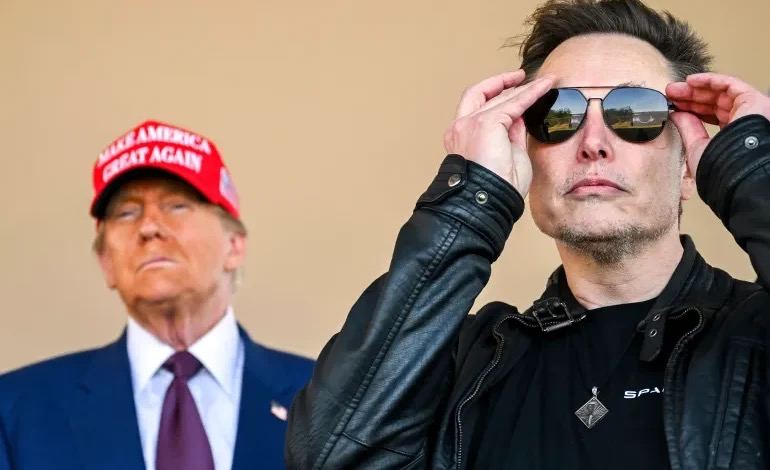
And the next administration might not be as tough. President-elect Donald Trump has expressed doubts about breaking up Google.
“What you can do without breaking it up is make sure it’s more fair,” he said last month.
The DOJ’s antitrust chief, Jonathan Kanter, is widely expected to be replaced. His successor could take a softer line. The Washington hearings on Google’s punishment start in April. Mehta aims to issue a final decision before Labor Day.
Not everyone thinks the Chrome spinoff makes sense. Syracuse University law professor Shubha Ghosh said the remedy “is probably going a little beyond” the harm proven at trial.
“The remedies should match the harm, it should match the transgression,” he said.
But Google rival DuckDuckGo argued the opposite.
“Undoing Google’s overlapping and widespread illegal conduct over more than a decade requires more than contract restrictions,” said Kamyl Bazbaz, the company’s senior vice president of public affairs. “It requires a range of remedies to create enduring competition.”
The latest news in your social feeds
Subscribe to our social media platforms to stay tuned