
EU Imposes Higher Tariffs on Chinese-Made Electric Vehicles Amid Trade Disputes

With input from Reuters and the New York Times.
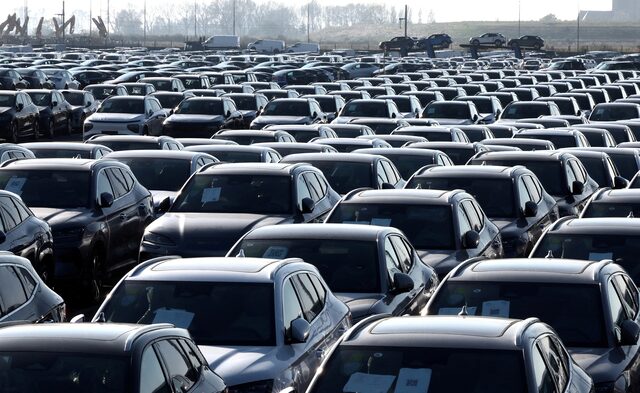
Europe just made a big, controversial move. On Tuesday, the EU officially approved extra tariffs on Chinese-built electric vehicles, ranging from 7.8% for Tesla to 35.3% for China’s SAIC. Add the standard 10% import duty, and some cars will face taxes as high as 45.3%. The tariffs take effect Wednesday and will stay in place for five years. Beijing is not happy.
China’s commerce ministry said it “does not agree with or accept the ruling.” It also noted the EU’s willingness to keep negotiating and said it hopes for a “solution acceptable to both sides as soon as possible to avoid escalating trade friction.” The China Chamber of Commerce to the EU called the measures “protectionist” and “arbitrary” and expressed deep disappointment that talks hadn’t made more progress.
So why is Europe doing this? The European Commission says Chinese automakers benefit from unfair subsidies – cheap financing, grants, land, batteries, and raw materials below market prices. It also points out that China has spare production capacity of 3 million EVs per year, which is twice the size of the EU market. With 100% tariffs in the US and Canada, Europe is the obvious outlet for those cars. Chinese brands now hold about 8% of the EU market, up from below 1% in 2019, and the Commission thinks that could hit 15% by 2025. Their prices are typically 20% lower than EU-made models.
Not everyone in Europe is on board. Germany, the EU’s biggest economy and a major car producer, opposed the tariffs. In a vote this month, 10 members backed them, five voted against, and 12 abstained. Germany’s economy ministry said Berlin supports ongoing negotiations with China and hopes for a diplomatic resolution. German carmakers have been vocal critics, worried that China will retaliate against large-engine gasoline vehicles – a sector where they dominate. Volkswagen’s finance chief, Arno Antlitz, said “under a tariffs regime, an industry only loses time” and predicted Chinese automakers will just build cars inside Europe. Stellantis CEO Carlos Tavares called the tariffs counterproductive and said the only way to protect the industry is to compete. Hungarian Prime Minister Viktor Orbán said the EU is headed for an “economic cold war” with China.
China has already fired back. Beijing launched its own probes this year into imports of EU brandy, dairy, and pork products. It’s also challenging the EU’s provisional measures at the World Trade Organization. And China’s auto industry has suggested imposing tariffs on large gasoline-powered cars from Europe in retaliation. The Chinese foreign ministry called the EU move “a typical act of trade protectionism” and said it would hurt cooperation and Europe’s climate efforts.


The latest news in your social feeds
Subscribe to our social media platforms to stay tuned