
Belgium Signals Move Toward Recognizing Palestine, Sparks Israeli Backlash


The Hill, Reuters, the New York Times, Anadolu Ajansı and AlJazeera contributed to this report.
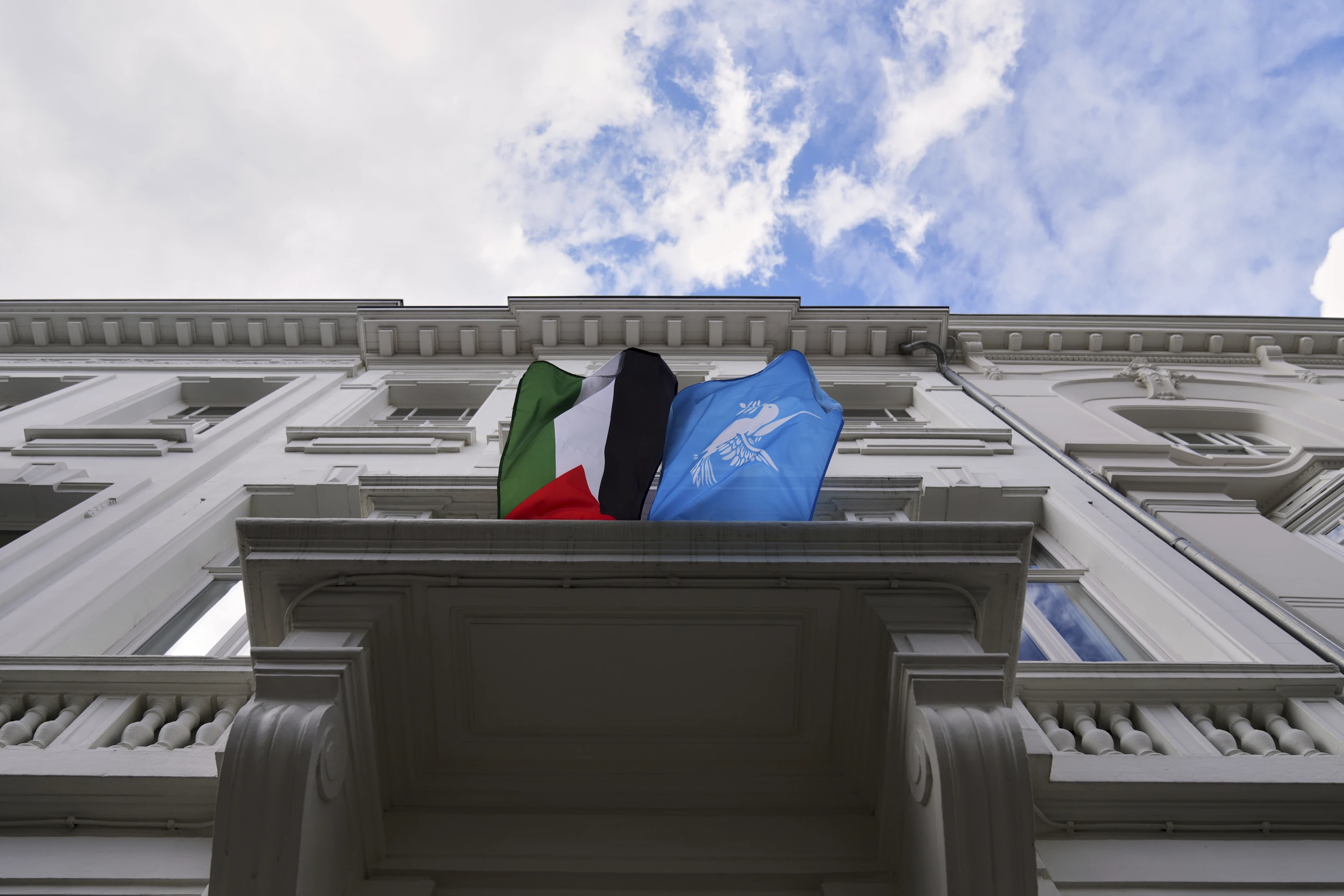
Belgium is joining the parade of countries inching toward recognizing a Palestinian state. Foreign Minister Maxime Prévot said Tuesday that Belgium will make the move at the UN General Assembly later this month. But there’s a catch – two big ones, actually. Recognition is conditional on all Israeli hostages being returned from Gaza and Hamas being kicked out of political power there. Those conditions make it pretty unlikely Belgium will formalize anything in the near future.
Prévot framed it as a moral and legal obligation.
“We had for moral reasons, but also for legal ones, the obligation to conclude an agreement within the Belgian coalition,” he told Anadolu.
He said the goal is to “send a strong signal to Israel” that it must stop expanding illegal settlements and stop cutting off humanitarian aid to Palestinians. He also announced 12 sanctions against Israel, including a ban on goods from Israeli settlements in the West Bank, a review of public procurement with Israeli companies, and declaring Hamas leaders and two far-right Israeli ministers persona non grata.
“This is not about sanctioning the Israeli people,” Prévot said on X, “but about ensuring that their government respects international and humanitarian law.”
Israel’s reaction was predictable. Far-right National Security Minister Itamar Ben Gvir, one of the likely targets of the sanctions, didn’t hold back.
“The self-righteous European countries that are being manipulated by Hamas – at the end they’ll discover terrorism on their own flesh,” he said in a statement to the AP.
The Israeli government didn’t issue an official response, but opposition leader Avigdor Lieberman called Belgium’s move a “direct result” of Prime Minister Benjamin Netanyahu’s “political failure.” He added:
“Due to Netanyahu’s inability to manage the political arena, a Palestinian state is being established before our eyes.”
Belgium isn’t alone. France and the UK have also announced plans to recognize Palestine, and France and Saudi Arabia are co-hosting a meeting on the sidelines of the UNGA on Sept. 22 where more pledges are expected. Australia and Canada have also signaled they’ll move forward, though most of these countries are tying recognition to reforms by the Palestinian Authority. The US is not happy about any of it. Secretary of State Marco Rubio called France’s decision “reckless” and said it “only serves Hamas propaganda.” The Trump administration has also revoked visas for Palestinian officials ahead of the UNGA, including blocking Palestinian Authority President Mahmoud Abbas from traveling to New York.
The conditions Belgium attached are doing a lot of work. Prévot admitted that “from an intellectual point of view, the recognition of a state should be with no conditions.” But he said Belgium’s five-party coalition has different sensitivities, and the compromise was to make recognition contingent on hostages being freed and Hamas leaving power. Critics say that hollows out the move. Muhammad Shehada of the European Council on Foreign Relations told Al Jazeera that the caveats risk giving Netanyahu’s government “yet another incentive to reject a ceasefire and a prisoner swap.” He called the decision “long overdue” but said it should be a stepping stone to real pressure, including sanctions and isolating Israel’s hardliners.
Prévot also went further than most European officials in describing the situation in Gaza. He said that while it’s not the Belgian government’s official position, “according to me and most of my country’s diplomats, the situation on the ground is really terrible, and we can consider this a genocide.” He quickly added that it’s up to judicial authorities, especially the International Court of Justice, to make that determination. He also acknowledged that the EU has been “crystal clear” in failing to find common ground on sanctions, with several countries refusing to take action.
“We absolutely need to have the capability all together as the EU to send clear messages,” he said.
The Palestinian foreign ministry welcomed Belgium’s announcement and urged other countries to follow suit. As of April, some 147 countries – about 75% of UN members – had already recognized Palestinian statehood. Belgium’s move is largely symbolic for now, but it adds to the momentum. Al Jazeera’s Hashem Ahelbarra said from Brussels that each European country that recognizes Palestine is acknowledging a sovereign state with pre-1967 borders, including the West Bank, Gaza, and East Jerusalem.
“This is going to put more pressure on Luxembourg and Italy in particular,” he said.

The latest news in your social feeds
Subscribe to our social media platforms to stay tuned