
BBC Chief Quits Over Trump Speech Scandal And Bias Allegations

BBC, Reuters, and NPR contributed to this report.
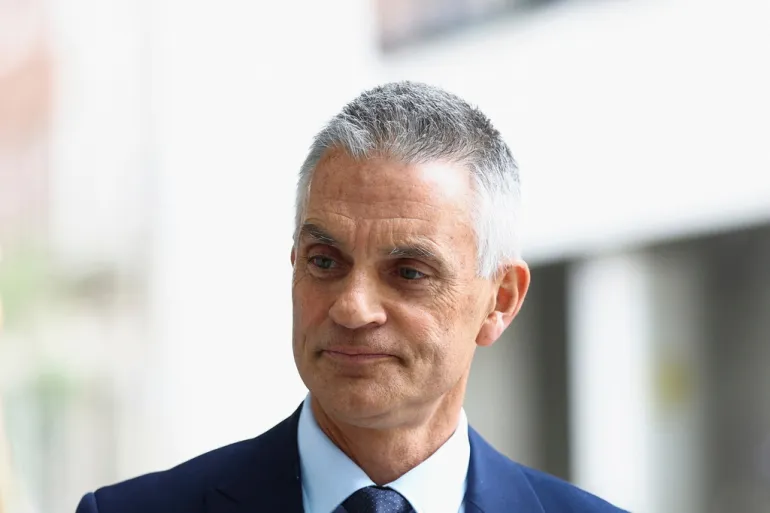
Two top jobs at the BBC, gone in a single evening. That’s what happened on Sunday when director general Tim Davie and news chief Deborah Turness both resigned over a string of controversies – capped by the revelation that a Panorama documentary had stitched together two parts of a Donald Trump speech to make him appear to explicitly encourage the January 6 Capitol riot.
This has never happened before. Never in the broadcaster’s history have both the director general and the head of BBC News walked out on the same day.
The spark that lit the fuse was a leaked internal memo, splashed by the Telegraph on Monday, written by Michael Prescott – a former external standards adviser who quit the role in June. His dossier described a Panorama edit that stitched two chunks of Trump’s January 2021 speech together, even though they were more than 50 minutes apart. What he actually said:
“We’re going to walk down to the Capitol, and we’re going to cheer on our brave senators and congressmen and women.”
What viewers heard:
“We’re going to walk down to the Capitol… and I’ll be there with you. And we fight. We fight like hell.”
The White House called the BBC “100% fake news.” Trump himself wasted no time, declaring on Sunday that top executives were quitting because they were caught “doctoring” his “very good (PERFECT!) speech.” He called them “very dishonest people who tried to step on the scales of a Presidential Election.” Also, apparently, relevant to him: they’re “from a Foreign Country.”
Davie, five years into the job and a BBC man for twenty, framed his exit as owning the mess.
“The BBC is not perfect, and we must always be open, transparent and accountable,” he said, admitting mistakes had been made and that “as director general I have to take ultimate responsibility.”
Turness, three years into running news and current affairs, was blunter about the stakes: the controversy “has reached a stage where it is causing damage to the BBC.” Her verdict on herself?
“The buck stops with me.”
She did push back hard on one point, though – the charge of institutional bias, which she flatly called “wrong.”
The memo went well beyond one clumsy edit. Prescott flagged “systemic problems” in BBC Arabic’s coverage of the Israel-Gaza war, and claimed coverage of trans issues had been effectively “censored” by specialist reporters pushing a pro-trans line. That’s on top of a rough few months: the BBC upheld 20 impartiality complaints against presenter Martine Croxall over a “pregnant people” script change, pulled a Gaza documentary after failing to disclose its narrator was the son of a Hamas official, and broke editorial guidelines by airing Bob Vylan’s “death, death to the IDF” chant from Glastonbury.
Old hands were unsparing. Roger Mosey, former head of BBC TV News, said the Trump edit “doesn’t seem to be defensible” and the corporation had been “slow to respond.” Dorothy Byrne, Channel 4’s former news chief, called it a “basic error” made worse by taking “an inordinate length of time to apologise.”
Now the political vultures are circling – each with their own angle. Kemi Badenoch said two resignations can’t sweep away “a catalogue of serious failures” and warned the licence fee is on the line. Nigel Farage wants “wholesale change” and a turnaround artist as the next boss. Ed Davey cast the moment as the BBC’s chance to “turn a new leaf” and stand against a “Trump-style takeover of our politics.” Culture Secretary Lisa Nandy thanked Davie for steering the corporation through “significant change” and said the upcoming Charter review must be “the catalyst” for its next era.
Timing matters here. The BBC’s Royal Charter expires at the end of 2027, so whoever inherits Davie’s chair will walk straight into bruising negotiations over the licence fee and the broadcaster’s future funding. Davie said he’s staying on for an “orderly transition,” and the board – reportedly stunned by his exit – will pick the successor.
Meanwhile, there are whispers that a summit between the feuding parties might not be totally off the table. South Korea’s spy agency suggested this week that a Trump-Kim meeting could materialize early next year. Wait, wrong crisis – though honestly, at this point, who’s keeping track?
Chairman Samir Shah, who backed Davie throughout, calls it a “sad day for the BBC.” He’ll have a chance to say more on Monday, when he’s expected to face a parliamentary committee with a written statement – and, quite possibly, an apology.

The latest news in your social feeds
Subscribe to our social media platforms to stay tuned