
America’s panic-buying spree is real – and it started with a TikTok rumor

The original story by
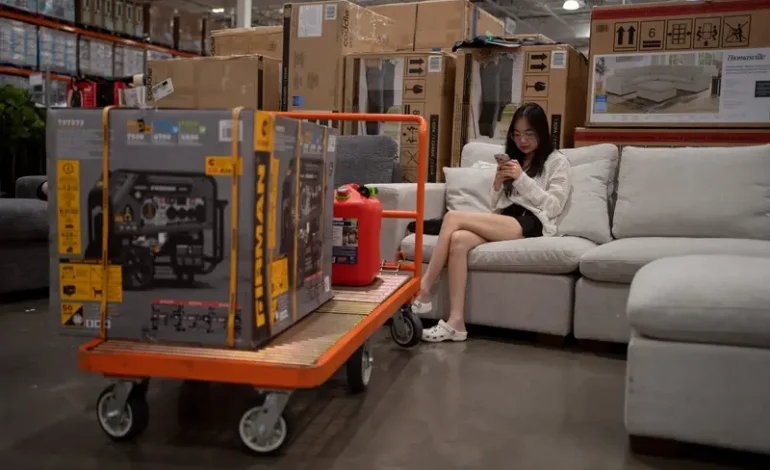
A $900 solar generator at Costco caught David Bellinger’s eye on a recent warehouse run.
“Maybe I should buy this,” the Mizuho analyst thought.
He came back the next day. Every single one was gone – and when he checked online, 21 of the 26 generator models the chain sells had sold out.
He’s not alone. Not even close.
Across the country, shoppers are loading up on generators, propane tanks, water barrels, batteries and month-long emergency food kits. ReadyWise and My Patriot Supply both posted notices warning customers to expect delays – up to 14 business days for My Patriot Supply, and December shipping for ReadyWise, citing “extreme volume.” Survival Frog, an online emergency-supplies retailer, says sales jumped 450% in the three weeks after October 27, with new customers driving most of it. Walmart confirms propane and big jugs of water are moving faster than usual. Tractor Supply reports a broad-based uptick in fuel tanks, backup generators, canning supplies – and yes, ammunition, though the company admits that’s harder to separate from seasonal hunting stock-ups.
Web searches for “emergency supplies” are up 300% over last year.
What’s fueling it? A perfect storm of real failures and viral fiction.
The real stuff: the longest nationwide ground stop since 9/11 stranded hundreds of thousands of flyers. Microsoft’s email outage knocked out communications. A cyberattack cranked the heat in hundreds of French supermarket freezers, spoiling tens of millions of euros in food. US bank customers got locked out of their accounts. Even the NSA’s classified communications network blinked offline – all within six days. Officials now say none of it was a coordinated foreign cyberattack, but good luck putting that genie back in the bottle.
The fiction came first, though – and it started with the Pentagon.
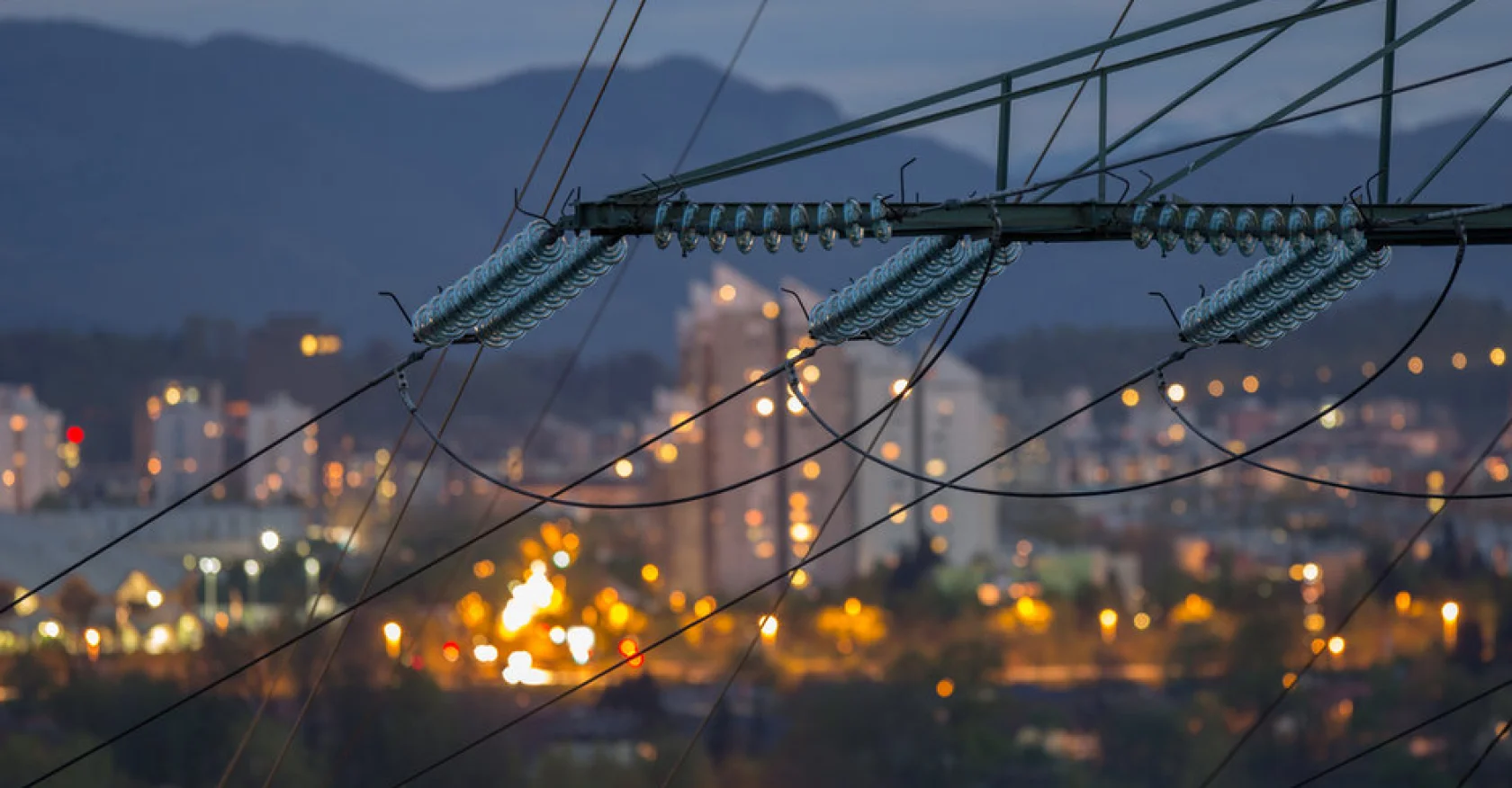
In late September, Defense Secretary Pete Hegseth announced FORTRESS America, a plan to make major military bases capable of generating their own electricity so they stay operational if the civilian grid gets taken down. On October 25, Fox News reported one specific detail: a 90-day self-sufficiency timeframe for bases.
Within days, Google searches for “90 day power outage” exploded by 5,000%. TikTok and YouTube videos twisted the story into either a government warning that Americans should brace for a 90-day blackout – or proof the government itself was preparing for one. By mid-November, multiple TikTok posts were claiming a 90-day blackout would hit the US on November 17. That day came and went. The lights stayed on.
Meanwhile, the anxiety backdrop keeps getting weirder: AI either coming for everyone’s job or ending humanity outright, depending on which feed you’re scrolling.
Washington noticed. President Trump went on Fox News Thursday with a simple message:
“Tell them to relax, everything’s good. I’ll let you know if there’s a problem.”
VP JD Vance said friends have asked him about building bunkers. His answer: no.
The administration’s reassurance hasn’t exactly emptied the aisles. The American Red Cross, for what it’s worth, recommends a gallon of water per person per day, with a three-day supply for evacuation and a two-week stash at home – guidance that predates any TikTok panic.
Other countries are sending the opposite signal. The UK launched an official “Be Ready” campaign in October telling families to prep 72 hours of self-sufficiency. Germany renewed its three-day stockpile recommendation. The European Commission rolled out new preparedness guidelines weeks later.
So is the panic justified? Mehdi Hossain, a University of Rhode Island marketing professor who studied COVID-era panic buying, says the psychology rhymes. Back then, people had no reference point for how bad things might get – and the fear of regretting unpreparedness drove them to clear shelves.
“It’s a snowball kind of effect,” he said.
Fake news that validates your fear starts feeling more trustworthy than it should, and people act on it.
Anduril co-founder Palmer Luckey offered a blunter framework at the DealBook summit this week: your worry level should match your preparation level. Everyone should have three days of water and dry food, he said.
Heather Nianouris already cleared that bar. She dropped about $1,200 on tarps, batteries, zip ties, bottled water, tuna and camp stove fuel – partly because she got caught flat-footed during COVID. Her take: even if nothing happens, most of it is still useful.
Which is maybe the sanest position in the whole story. The grid didn’t fail on November 17. But 21 of 26 generator models are still gone from Costco.
The latest news in your social feeds
Subscribe to our social media platforms to stay tuned