
Shoppers are done paying premium prices for plastic clothes

With input from CNBC and the Wall Street Journal.
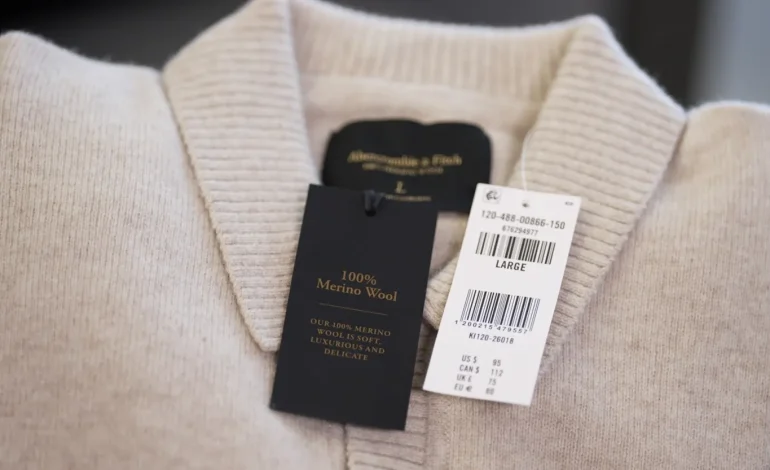
Remember when clothes got cheaper every year? That era is over – and shoppers are flipping over labels with a suspicion they haven’t had in decades.
The numbers tell the story. Apparel prices deflated for roughly 20 years before the pandemic, then reversed hard. Since 2020, they’ve climbed to record highs, pushed by COVID supply chaos, tariffs and the oil shock from the Iran war. Here’s the twist: while everything got more expensive, the fabric itself often got worse.
Walk through any mall and you can feel it. In 2010, about 60% of apparel imported into the US was mostly cotton. Today that figure sits near 45%, with polyester, nylon and other synthetics making up the majority. Fast fashion started the shift in the 2000s; ultra-fast fashion – Shein, Fashion Nova – accelerated it, pumping out garments at absurd speeds on the back of cheap petroleum-based fabric.
“We got to a point where the pendulum just swung too far in that direction,” BTIG analyst Janine Stichter said. “And we’ve actually begun to see a reversal. Quality matters a lot more over the last three or four years than it has in the previous 10 or 20.”
Consumers have noticed, and they’re voting with their wallets. AlixPartners’ 2026 Consumer Sentiment Index, which surveyed more than 9,000 shoppers, found people scrutinizing labels and balking at cheap materials sold at premium prices. Sonia Lapinsky, the firm’s fashion chief, put it simply: retailer brands passing off synthetics as something better are sinking in consumers’ minds.
Gen Z has even turned “polyester” into slang for anything fake or low-grade. That stings, considering synthetic imports averaged $2.64 per square meter in the first eight months of 2026, versus $3.67 for cotton. Polyester has its defenders – it holds shape, wicks sweat, and the athleisure boom rode it hard – but concerns about microplastics and petroleum dependence keep growing, and the price gap is narrowing anyway. Since 2010, synthetic import costs are up about 11%; cotton is up 21%. As oil stays expensive, that gap could shrink further.
The quality erosion wasn’t just about fabric choice. Post-COVID supply chain shuffling pushed brands out of China, where decades of expertise mean skilled workers and top-tier equipment, toward Bangladesh, Sri Lanka and Cambodia. Those countries serve the value market well, but as University of Delaware professor Sheng Lu notes, they’re not equipped for premium production – and some still import raw materials from China anyway, forcing earlier bets on trends and bigger markdowns when they miss. Mark down enough inventory, and cheap manufacturing starts costing more than quality ever would.
The winners in this shift are easy to spot. Ralph Lauren’s stock has climbed roughly 85% in two years; about 90% of its apparel is cotton, leather, wool, viscose, cashmere or silk, and the company is selling more at full price while cutting markdowns. Direct-to-consumer brand Quince, built entirely around natural materials, hit a $10 billion valuation this year and jumped 16 spots to No. 3 in ThredUp’s resale-value rankings. Organic cotton seller Pact leapt 20 spots to No. 8. Resale value, it turns out, is becoming a brand’s résumé.
Meanwhile, the fast fashion crowd is feeling the heat. Shein and Zara both dropped three spots in AlixPartners’ young adult specialty sentiment rankings, to fifth and seventh. Shein passed tariff costs onto customers last year, blamed the resulting sales slowdown on those very prices, and has been losing share of U.S. apparel spending for three straight quarters. Zara keeps growing for now, but Lapinsky warns sentiment scores can be leading indicators – something to watch into 2027.



The latest news in your social feeds
Subscribe to our social media platforms to stay tuned